
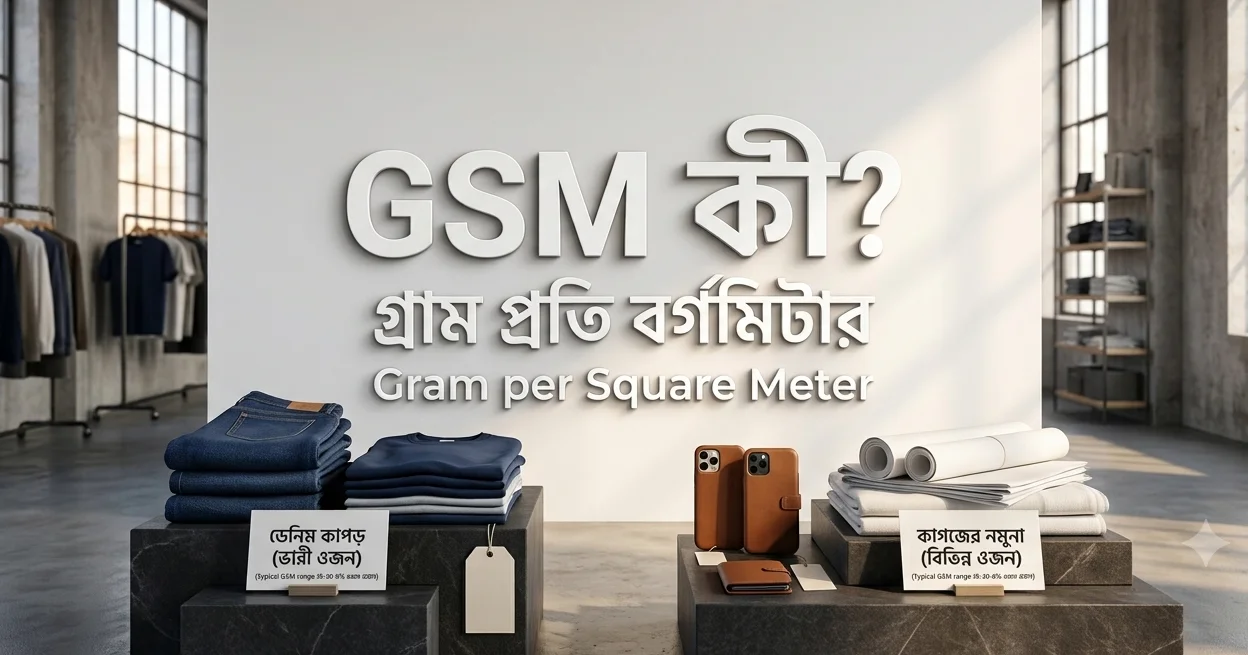
Understanding Fabric GSM: The Ultimate Guide to Choosing the Right Clothes
When shopping for clothes—whether online or in-store—you might have noticed terms like 180 GSM, 220 GSM, or 300 GSM listed in the product description. While it sounds like technical textile jargon, understanding GSM is one of the easiest ways to evaluate how a garment will feel, fit, and last before you buy it.
At TAATLAB, we prioritize material transparency so you always know what you are wearing. Here is everything you need to know about fabric GSM and how to choose the perfect weight for your wardrobe.
What is GSM in Fabric?
GSM stands for Grams per Square Meter (g/m^2). It is the standard metric used worldwide to measure the density and weight of a fabric.
Simply put: if you cut a square piece of fabric measuring exactly 1 meter x 1 meter and weigh it on a scale, its weight in grams is its GSM.
- Higher GSM: Indicates a thicker, heavier, and denser fabric (e.g., hoodies, winter jackets, heavyweight oversized tees)
- Lower GSM: Indicates a lighter, thinner, and airier fabric (e.g., breezy summer shirts, activewear, light innerwear).
Why Does GSM Matter When Buying Clothes?
Fabric weight directly influences how a garment behaves on your body and how long it stays in your wardrobe rotation. Here are four key factors affected by GSM:
1. Breathability and Climate Comfort
Lower GSM fabrics allow air to pass through easily, keeping you cool during warm, humid weather. Higher GSM fabrics trap air between fibers, providing structure and thermal insulation for cooler seasons.
2. Structure and Drape
- Lightweight fabrics flow smoothly and drape softly against the body.
- Heavyweight fabrics hold a rigid, structured silhouette—ideal for structured streetwear, drop-shoulder cuts, and boxy fits.
3. Opacity (Sheerness)
Ever bought a white t-shirt only to find it completely see-through? That usually happens with low-GSM cotton. Higher GSM fabrics offer greater density and complete opacity, eliminating transparency issues.
4. Longevity and Wear
Generally, denser fabrics with higher GSM hold up better against repeated wash cycles, maintaining their original shape, collar strength, and seam integrity over time.
The Quick GSM Breakdown: Which Weight Do You Need?
To help you navigate fabric options effortlessly, here is a general breakdown of common GSM ranges used in casual and everyday apparel:
| GSM Range | Category | Common Uses | Key Characteristics |
| 120 – 160 GSM | Lightweight | Summer tees, tank tops, innerwear | Airy, thin, highly breathable, quick-drying. |
| 170 – 210 GSM | Medium-Weight | Standard everyday t-shirts, polo shirts | Versatile, comfortable, balance of breathability and opacity. |
| 220 – 280 GSM | Heavyweight | Oversized tees, drop-shoulder shirts, joggers | Structured, completely opaque, premium feel, durable. |
| 300 – 450+ GSM | Ultra-Heavyweight | Sweatshirts, hoodies, fleece jackets | Thick, warm, insulating, keeps shape in cold weather. |
Myth Busted: Does Higher GSM Always Mean Better Quality?
No. A higher GSM means the fabric is heavier, not necessarily better.Quality depends on a combination of factors:
- Fibre Selection: 100% Combed Organic Cotton feels vastly superior to a heavy synthetic blend, even if both share the exact same GSM.
- Yarn Quality: Finer yarn counts create a smooth, soft hand-feel without adding unnecessary bulk.
- Fabric Finish: Bio-washing and enzyme treatments enhance softness and prevent surface pilling.
A 160 GSM combed cotton summer shirt can be exceptionally high quality and far more comfortable on a hot afternoon than a cheap 240 GSM synthetic shirt. Match the GSM to the purpose and weather.
How TAATLAB Approaches Fabric Weight
At TAATLAB, design starts at the fabric level. We don’t use arbitrary fabric weights; every garment is engineered with an optimal GSM matched to its specific silhouette and climate requirement.
- For Everyday Basics: We select medium-weight cottons (180–200 GSM) that offer all-day softness, maximum breathability, and reliable opacity.
- For Streetwear & Oversized Cuts: We utilize premium heavyweight fabrics (220–250+ GSM) that deliver clean lines, structured drops, and long-lasting durability.
- For Seasonal Collections: We adjust our yarn construction so you get warmth in winter and effortless breathability in summer.
Upgrade Your Wardrobe with Purpose
Next time you shop for clothing, look beyond just color and size—check the GSM. Choosing the right fabric weight ensures your clothes look better, fit better, and last longer.
Explore TAATLAB’s latest collection today to experience meticulously crafted apparel built with the perfect balance of weight, comfort, and style.
Have questions about our fabric specifications? Leave a comment below or reach out to our team—we are always happy to help you find your ideal fit!


Add a review
Your email address will not be published. Required fields are marked *